 Back home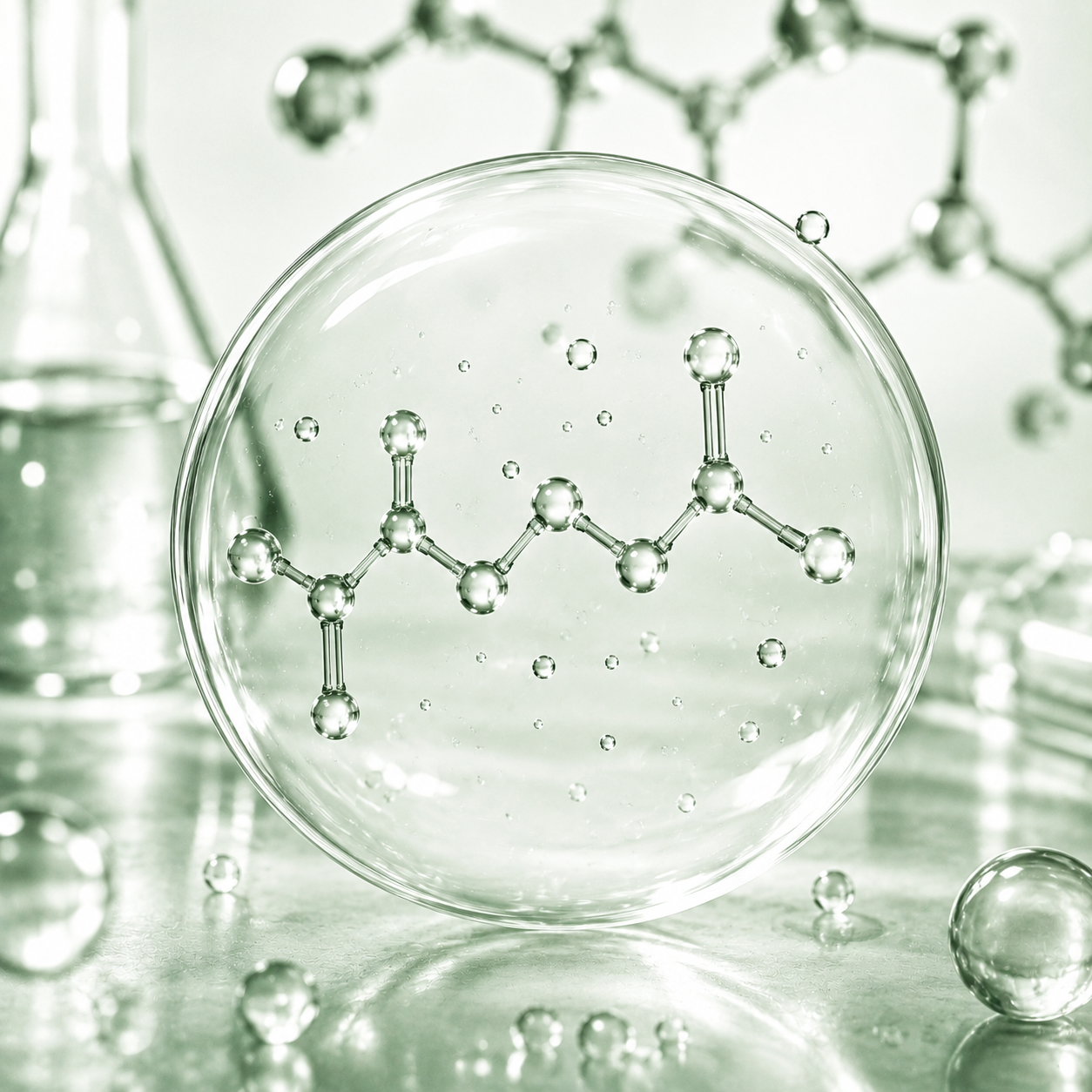
Azelaic acid is the quiet overachiever of skincare — a naturally occurring dicarboxylic acid found in grains like wheat, barley and rye. It exfoliates, calms inflammation, fades marks and unclogs pores, all while being far gentler than most people expect. If your skin is acne-prone, rosacea-prone or dealing with uneven tone, it's one of the safest actives to build a routine around.
What azelaic acid actually does
- Gently exfoliates inside the pore, helping clear blackheads and prevent breakouts without the surface peeling of AHAs.
- Calms inflammation and redness — making it unusually helpful for acne and rosacea at the same time.
- Fades post-inflammatory hyperpigmentation and melasma by inhibiting tyrosinase, the enzyme that produces melanin.
- Reduces the growth of acne-causing bacteria and helps normalise keratin turnover.
- Strengthens the skin barrier over time by encouraging healthier cell renewal.
The different kinds and strengths
Azelaic acid comes in a few forms. The most common is straight azelaic acid in a cream, gel or serum, but Korean and cosmeceutical formulas also use gentler derivatives to improve texture and tolerance.
- 10% azelaic acid — the standard over-the-counter and K-beauty strength. Strong enough to refine texture and fade marks, gentle enough for most beginners and sensitive skin.
- Potassium azeloyl diglycinate (PAD) — a water-soluble derivative. Gentler, less likely to itch, and often used in Korean essences and serums alongside niacinamide.
- Micronised / liposomal azelaic acid — standard azelaic acid broken into smaller particles for deeper, more even delivery with less irritation.
Who it's for
- Acne-prone and congested skin — clears pores and calms active breakouts.
- Rosacea-prone or reactive skin — reduces redness and flushing better than many acids.
- Hyperpigmentation and melasma — fades dark marks without bleaching surrounding skin.
- Sensitive skin that can't tolerate strong AHAs or retinoids.
- Pregnancy and breastfeeding — azelaic acid is widely considered safe, but confirm with your doctor.
How and when to use it
- Start in the evening, 2–3 nights a week. This gives skin time to adjust without daytime sun exposure.
- Apply to clean, dry skin after toner or essence but before moisturiser.
- Use a pea-sized amount for the whole face, or spot-treat affected areas if you're sensitive.
- Follow with a barrier-supporting moisturiser — ceramides, squalane and panthenol pair beautifully.
- Once tolerated, you can use it morning and evening. Always finish with SPF 50 in the morning, since fading pigmentation requires sun protection.
What to expect
- First 1–2 weeks: possible mild tingling, dryness or flaking — this usually settles.
- Weeks 2–4: calmer redness, fewer new breakouts, softer texture.
- Weeks 6–12: post-blemish marks and uneven tone visibly improve.
- 3–6 months: clearer, more even skin with fewer recurring breakouts.
Pairings and cautions
- Pairs beautifully with niacinamide, hyaluronic acid, ceramides, centella and peptides.
- Can be used alongside retinal on alternate nights once skin is used to both.
- Avoid using strong AHAs, BHAs or vitamin C in the same routine when first starting — introduce one active at a time.
- If you experience prolonged burning, swelling or severe peeling, stop and consult a dermatologist.
Browse azelaic acid serums, creams and gentle PAD formulas in the Litsy shop — perfect for calming breakouts, redness and uneven tone without stripping the barrier.
Explore a targeted azelaic acid serum: NINELESS A-Control 10% Azelaic Acid Serum


