 Back home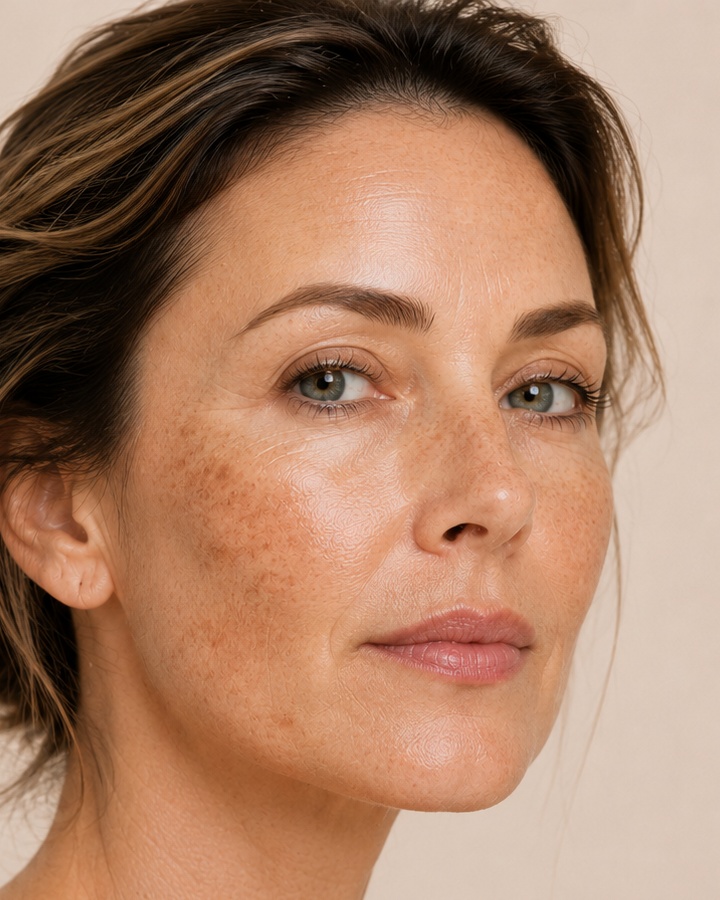
Dark spots and uneven pigmentation are among the most common skin concerns — and also the most stubborn. Whether they show up after a breakout, years of sun, or hormonal shifts, they all share one thing: melanin has been produced in patches rather than evenly. Skincare cannot erase them overnight, but the right actives can fade their intensity, prevent new ones from forming, and help your skin look brighter and more even over time.
What causes dark spots and pigmentation?
- Post-inflammatory hyperpigmentation (PIH) — brown marks left after acne, irritation, cuts or burns. More common in deeper skin tones.
- Post-inflammatory erythema (PIE) — pink or red marks after inflammation, usually lighter skin tones.
- Sun damage — UV triggers melanin production, which is why spots darken in summer and fade more slowly without SPF.
- Melasma — hormone-related patches often on the cheeks, forehead or upper lip. It needs a slow, long-term approach.
- Ageing — slower cell turnover means existing pigment sits on the surface longer, making spots look more obvious.
The actives that genuinely fade pigmentation
Vitamin C
A morning antioxidant that brightens existing marks, protects against new UV-triggered pigment and supports collagen. Look for L-ascorbic acid or stable derivatives like ethylated ascorbic acid or magnesium ascorbyl phosphate.
Niacinamide
At 4–5%, niacinamide helps slow the transfer of pigment to skin cells, calms inflammation and strengthens the barrier. It plays well with almost everything and is a good entry point for sensitive skin.
Alpha arbutin and tranexamic acid
Both help interrupt melanin production. Tranexamic acid is particularly useful for melasma and stubborn hormonal patches, while alpha arbutin is a low-irritation brightener for everyday routines.
Azelaic acid
A multi-tasking active that fades PIH, calms redness and keeps pores clear. It is generally well tolerated, even by rosacea-prone skin, and is a reliable choice for acne-related marks.
Retinoids and retinal
Speed up cell turnover so pigment-laden cells reach the surface faster and are shed. Start low and slow, and always pair with moisturiser and SPF.
AHAs — glycolic and lactic acid
Exfoliating acids help lift pigmented cells and improve surface brightness. Lactic acid is milder and more hydrating; glycolic acid works faster but can be more irritating.
Daily habits that make the biggest difference
- SPF 50 every morning, reapplied every 2 hours outdoors. No brightening active works if UV keeps creating new pigment.
- Introduce one active at a time, with 2–3 weeks between additions.
- Patch-test new products on the jawline for 3–5 nights.
- Be patient — most pigmentation actives need 8–12 weeks of consistent use before visible fading.
- Do not pick or squeeze spots; trauma is one of the main causes of lasting marks.
A brightening routine for dark spots
Morning
- Gentle low-pH cleanser.
- Vitamin C or azelaic acid serum — both protect and brighten.
- Niacinamide serum if your skin tolerates layering.
- Lightweight moisturiser.
- Broad-spectrum SPF 50 — the non-negotiable final step.
Evening
- Oil or balm cleanser if you wore SPF or makeup, followed by a water-based cleanser.
- On alternate nights: retinal / retinol serum, or an AHA serum.
- Tranexamic acid or alpha arbutin serum on nights you are not using retinoids or acids.
- Barrier-supporting moisturiser to reduce irritation and keep the skin calm.
What to avoid
- Stacking too many strong actives at once — irritation leads to more pigmentation.
- Physical scrubs and aggressive exfoliation — they can darken marks by causing micro-trauma.
- Unprotected sun exposure — it undoes weeks of progress in a single day.
- Picking at spots or scabs — the single biggest preventable cause of PIH.
When to see a dermatologist
See a dermatologist if your dark spots are rapidly changing, very dark, asymmetric, or if you suspect melasma. Some pigmentation responds best to prescription treatments like hydroquinone, tretinoin or in-clinic peels, and a dermatologist can rule out anything that needs medical attention.


