 Back home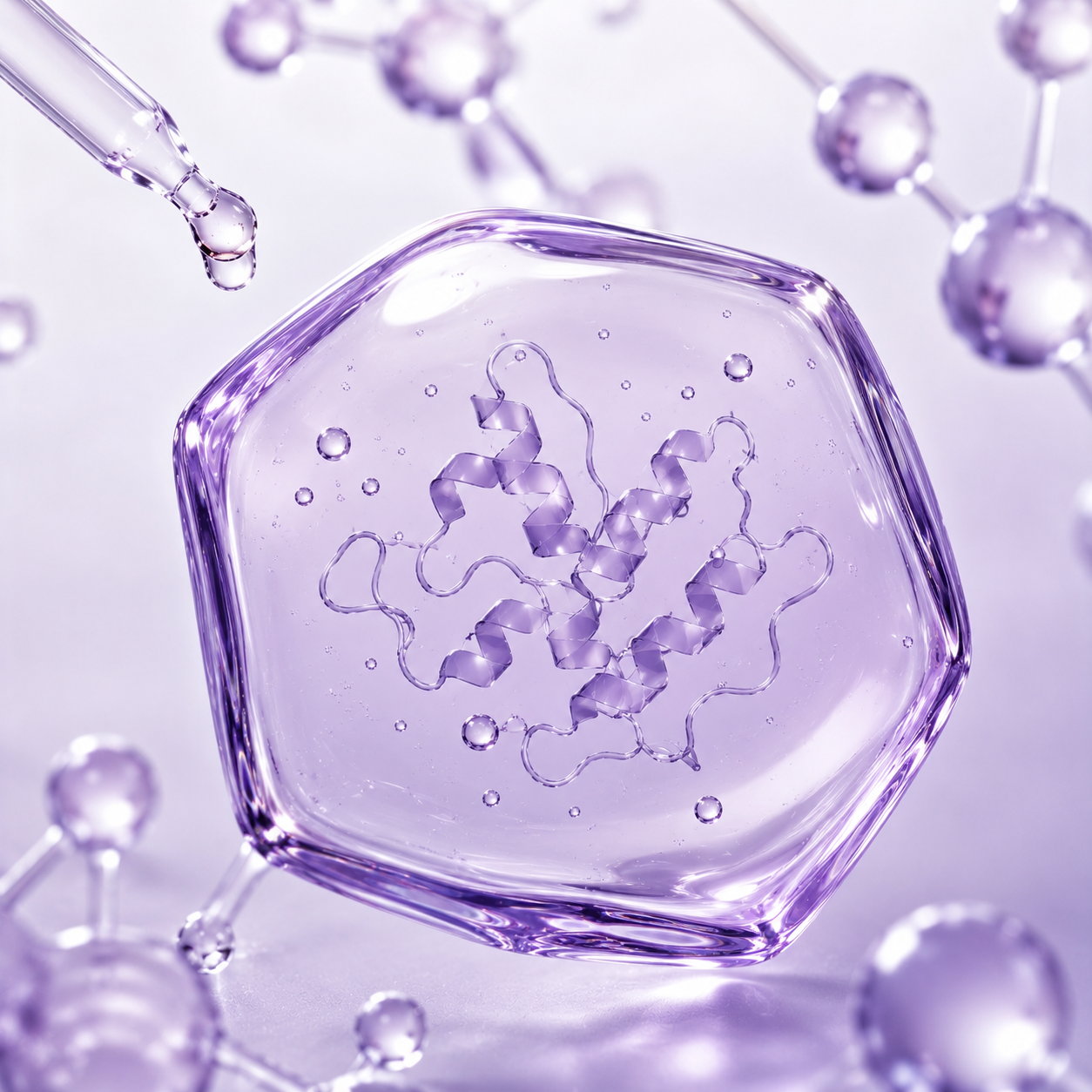
EGF — epidermal growth factor — is one of Korean skincare's most talked-about repair ingredients. It's a skin-signalling protein that tells cells to renew, repair and rebuild, making it a favourite for anyone dealing with dullness, fine lines, post-blemish marks or a weakened barrier. Unlike exfoliating acids or retinoids, EGF doesn't remove surface skin; it supports the skin's own regeneration process from within.
What EGF actually is
EGF is a naturally occurring growth factor — a type of protein made up of amino acids — that binds to receptors on skin cells and triggers renewal. In skincare it's usually produced through biotechnology (often as sh-oligopeptide-1) and added to serums, ampoules and creams at low, effective concentrations. Because it works by signalling rather than stripping, it's unusually gentle for an anti-ageing active.
What it does
- Supports cell turnover and renewal for smoother, more even-looking skin.
- Helps repair the appearance of post-blemish marks, redness and minor texture damage.
- Boosts firmness and elasticity by encouraging healthier collagen and elastin behaviour over time.
- Strengthens a weakened barrier, making skin less reactive and better at holding moisture.
- Calms and restores skin after procedures, sun exposure or over-exfoliation.
Common forms and names
You'll often see EGF listed under different ingredient names on Korean product labels. They all refer to similar skin-signalling peptides.
- sh-Oligopeptide-1 — the most common cosmetic name for epidermal growth factor.
- Epidermal Growth Factor (EGF) — the umbrella term.
- Human Oligopeptide-1 — another label name used in some regions.
- Growth factor blends — some formulas combine EGF with FGF, IGF or other signalling peptides for broader repair support.
How to use it
- Apply to clean, dry skin after toner or essence but before moisturiser.
- Use a serum or ampoule — these formats keep the molecule stable and let it absorb well.
- Evening is ideal, since skin naturally repairs overnight.
- Use a few drops or a pea-sized amount; EGF works at low concentrations, so more isn't necessary.
- Follow with a barrier-supporting moisturiser containing ceramides, squalane or panthenol.
Who it's for
- Mature or ageing skin wanting visible firmness and smoothness support.
- Skin recovering from breakouts, redness or post-inflammatory marks.
- Sensitive skin that can't tolerate strong retinoids or acids.
- Anyone whose barrier feels tight, reactive or over-exfoliated.
- Skin that looks dull and lacks bounce despite good hydration.
What to expect
- First 2–4 weeks: skin feels softer, more hydrated and less reactive.
- Weeks 4–8: a gradual smoothing of fine texture and a healthier, more even tone.
- Weeks 8–12: firmer, plumper-looking skin with post-blemish marks visibly softened.
- 3–6 months: clearer, stronger, more resilient skin with fewer signs of fatigue.
Pairings and cautions
- Pairs beautifully with peptides, PDRN, niacinamide, hyaluronic acid and ceramides.
- Use alongside a gentle retinal on alternate nights once skin is used to both.
- Avoid layering with strong AHAs, BHAs or high-strength vitamin C in the same routine — acids can destabilise growth factors and irritate freshly renewed skin.
- Always finish with SPF 50 in the morning; healthy renewal needs daily sun protection.
Browse EGF serums, ampoules and peptide-rich repair formulas in the Litsy shop — a gentle, long-term approach to firmer, more resilient skin.
Explore the EGF toner: Sungboon Editor Silk Peptide EGF Intensive Smoothing Toner
Explore the matching EGF ampoule: Sungboon Editor Silk Peptide EGF Intensive Ampoule


