 Back home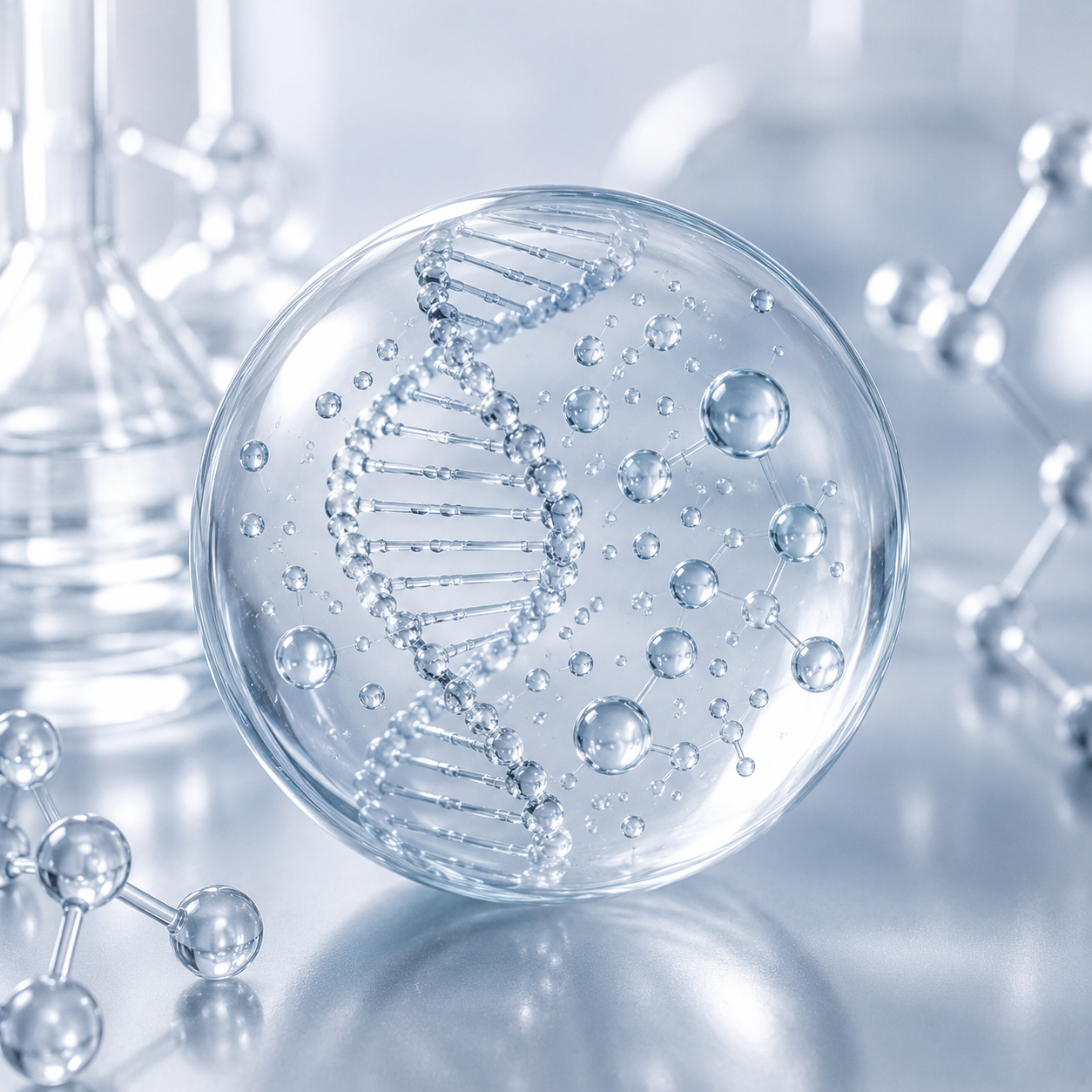
PDRN — polydeoxyribonucleotide — is one of the most exciting Korean skincare actives of the last decade. Originally used in aesthetic clinics for wound healing and post-procedure recovery, it's now formulated into topical serums and ampoules for regeneration, firmness and glow.
What PDRN actually is
PDRN is made of short DNA fragments, most commonly derived from salmon sperm DNA. These fragments share structural similarity with human DNA, which lets them bind to specific receptors on skin cells and signal them to grow, repair and produce more collagen.
Vegan and plant-derived PDRN alternatives
Traditional PDRN is sourced from salmon DNA, but Korean labs have developed plant-derived polydeoxyribonucleotide fractions that mimic the same skin-repair signalling. These vegan alternatives are extracted from botanical sources such as banana, bamboo, wheatgerm and rapeseed, and they offer similar regenerative, calming and barrier-supporting benefits without animal origin.
- Banana PDRN — rich in antioxidant polyphenols and gentle DNA fractions that support barrier recovery and calm post-breakout marks.
- Bamboo / rapeseed PDRN — plant-nucleotide extracts that help with hydration, elasticity and soothing reactive skin.
- Wheatgerm-derived DNA fractions — often used in peptide-DNA hybrid serums for mature or environmentally stressed skin.
If you prefer vegan skincare, have a fish or shellfish allergy, or simply want to avoid animal-derived ingredients, look for products labelled 'vegan PDRN', 'plant PDRN' or 'botanical polynucleotide'. The results tend to be comparable to salmon PDRN, though slightly slower in some cases, so allow a full 8–12 weeks before judging.
What it does
- Supports skin regeneration after damage — from acne marks to procedures.
- Stimulates collagen and elastin production.
- Improves skin firmness and elasticity over 8–12 weeks.
- Calms redness and inflammation, especially post-active or post-procedure.
- Boosts hydration and gives skin a plumper, dewy finish.
Topical PDRN vs injectable PDRN
- Injectable PDRN (in-clinic 'salmon DNA' injections) is placed directly into the dermis and produces the strongest, fastest visible effects.
- Topical PDRN — the kind in your serum or ampoule — works more slowly and superficially, but is safe for daily home use.
- Well-formulated topical PDRN still shows meaningful improvement in firmness, tone and post-inflammatory marks over 8–12 weeks.
Who PDRN is for
- Anyone with post-acne marks, redness or uneven tone.
- Mature and pre-mature skin looking for firmness and glow.
- Sensitive or reactive skin — PDRN is unusually gentle for a regenerative active.
- People recovering from retinoid ramp-ups, exfoliation cycles or in-clinic treatments.
- Layering with peptides for firmness support.
How to use it
- Cleanse, tone and apply on damp skin for best absorption.
- Apply PDRN serum or ampoule as your treatment layer — before heavier creams.
- Use morning, evening or both — it's gentle enough for daily double use.
- Layer under moisturiser and, in the morning, under SPF.
- It pairs beautifully with peptides, niacinamide, hyaluronic acid and centella.
- Give it a full 8–12 weeks for visible firmness and tone results.
Litsy stocks Korean PDRN ampoules and serums, with a new PDRN + peptide line launching later this year — subscribe to the newsletter to be first in line.
Looking for a topical PDRN serum locally? Browse NIDA Korean skincare
Shop a topical PDRN and peptide formula: NIDA Salmon PDRN Peptide Serum


